Usual Source of Care for Rural Medicare Fee-for-Service Beneficiaries in 2021
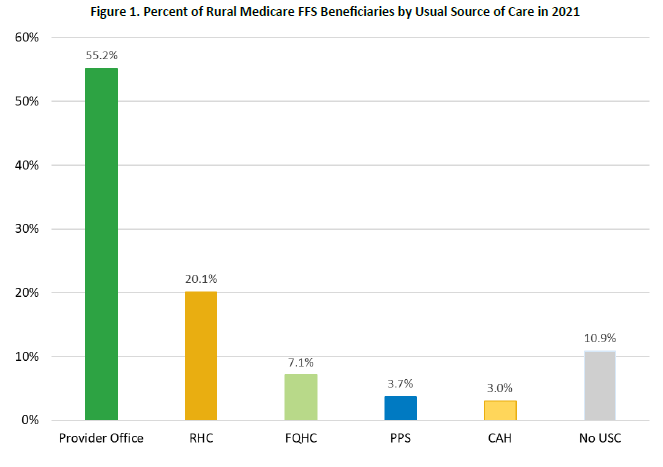
Having a regular place to go for health care—often called a usual source of care (USC)—is important because it helps people get timely and consistent medical attention. In this brief, Usual Source of Care for Rural Medicare Fee-for-Service Beneficiaries in 2021 , the NC Rural Health Research Program describes where rural Medicare fee‑for‑service beneficiaries received their routine care in 2021 and which groups were most likely to lack a regular care source. It also looks at how access differs across rural areas and regions of the country. Understanding these patterns is important for policymakers working to strengthen rural health care systems and reduce gaps in access.
You must be logged in to post a comment.