Principal Investigators and Program Directors
Below lists investigators who are currently leading funded projects at Sheps or direct one of the Center’s programs.
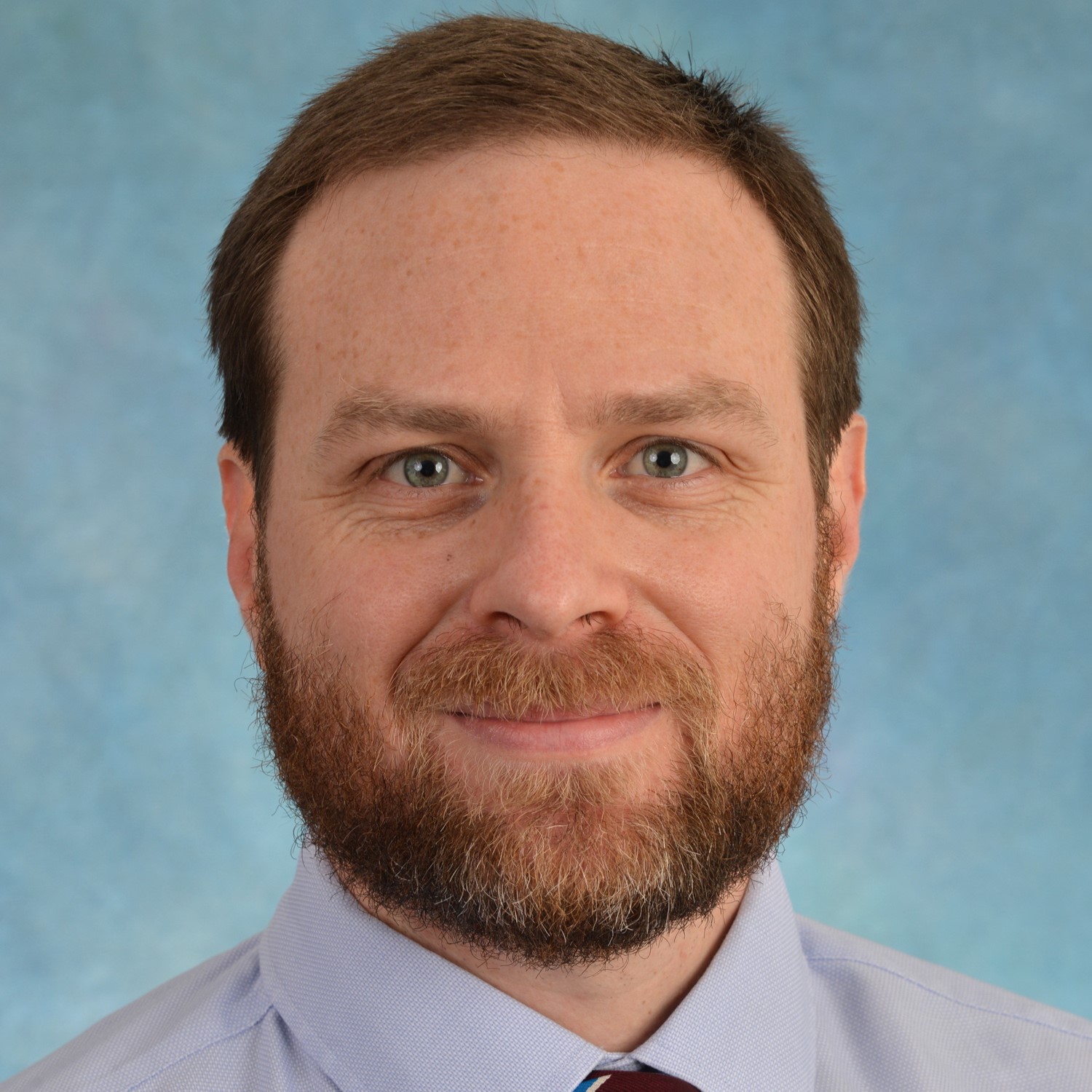
Seth A. Berkowitz, MD, MPH
Department of Medicine, Assistant Professor
Dr. Berkowitz’s research interests focus on socioeconomic barriers to chronic disease management, with a specific emphasis on food insecurity and diabetes. He is interested in observational and interventional approaches to studying these issues, including using methods from the causal inference literature, pragmatic randomized trials, rigorous evaluation strategies, and incorporating machine learning and other data adaptive methods into clinical and public health research.
Amy Blank-Wilson, PhD
Co-Director, Tiny Homes Village Project
Fellow, UNC Sheps Center for Health Services Research
Adjunct Professor, UNC Department of Psychiatry
Amy Blank Wilson is professor at the UNC School of Social Work, co-director of the Tiny Homes Village project, UNC Sheps Center for Health Services Research fellow, and adjunct professor with the UNC Department of Psychiatry. Blank Wilson is a national expert in the development and testing of interventions for people with mental illness involved with the criminal legal system. She uses her practice experience and research expertise to explore new ways to address the complex, interlocking problems of poverty, homelessness, substance use, and criminal legal system involvement facing many people with mental illness.
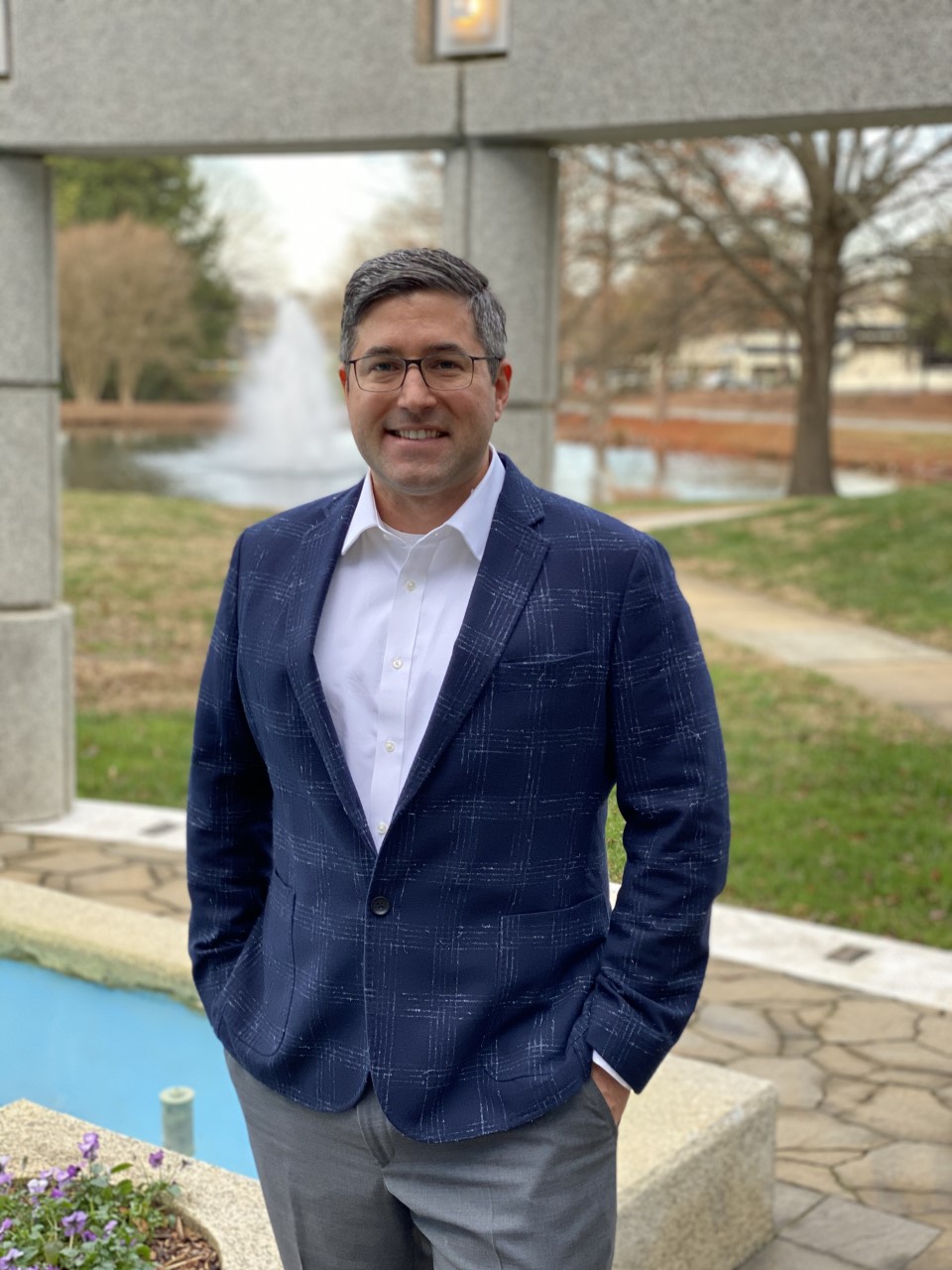
Brian Cass
Deputy Director for Data Analytics and Information Technology, Cecil G. Sheps Center
Brian Cass has over 20 years of experience leading IT teams both in public and private sectors, and within the academic administration, education, and research spaces. He is currently Deputy Director for Data Management and IT for the Cecil G. Sheps Center where he leads the 4 IT teams at Sheps, which are Data Analytics, Web and Database Programming, Systems Administration and Security, and Desktop Security. Since 2011, Cass participated in the design and implementation of over 50+ health services related research projects funded by NHLBI, National Institutes of Health, Patient-Centered Outcomes Research Institute, Agency for Healthcare Research and Quality, American Cancer Society, and private foundations.
Paul Chelminski, MD, MPH, FACP
Department of Allied Health Sciences, Professor
Dr. Paul Chelminski is a professor of medicine and an experienced educator of medical students and resident physicians at the UNC School of Medicine. Since 2001, Dr. Chelminski has practiced primary care in the UNC Internal Medicine Clinic. He has extensive experience in collaborative practice with physician assistants, clinical pharmacists, and nurse practitioners. In this setting, he has been engaged in inter-professional education and mentorship as well. Dr. Chelminski is a national expert on treating chronic pain in primary care. He has spoken and published extensively on this.
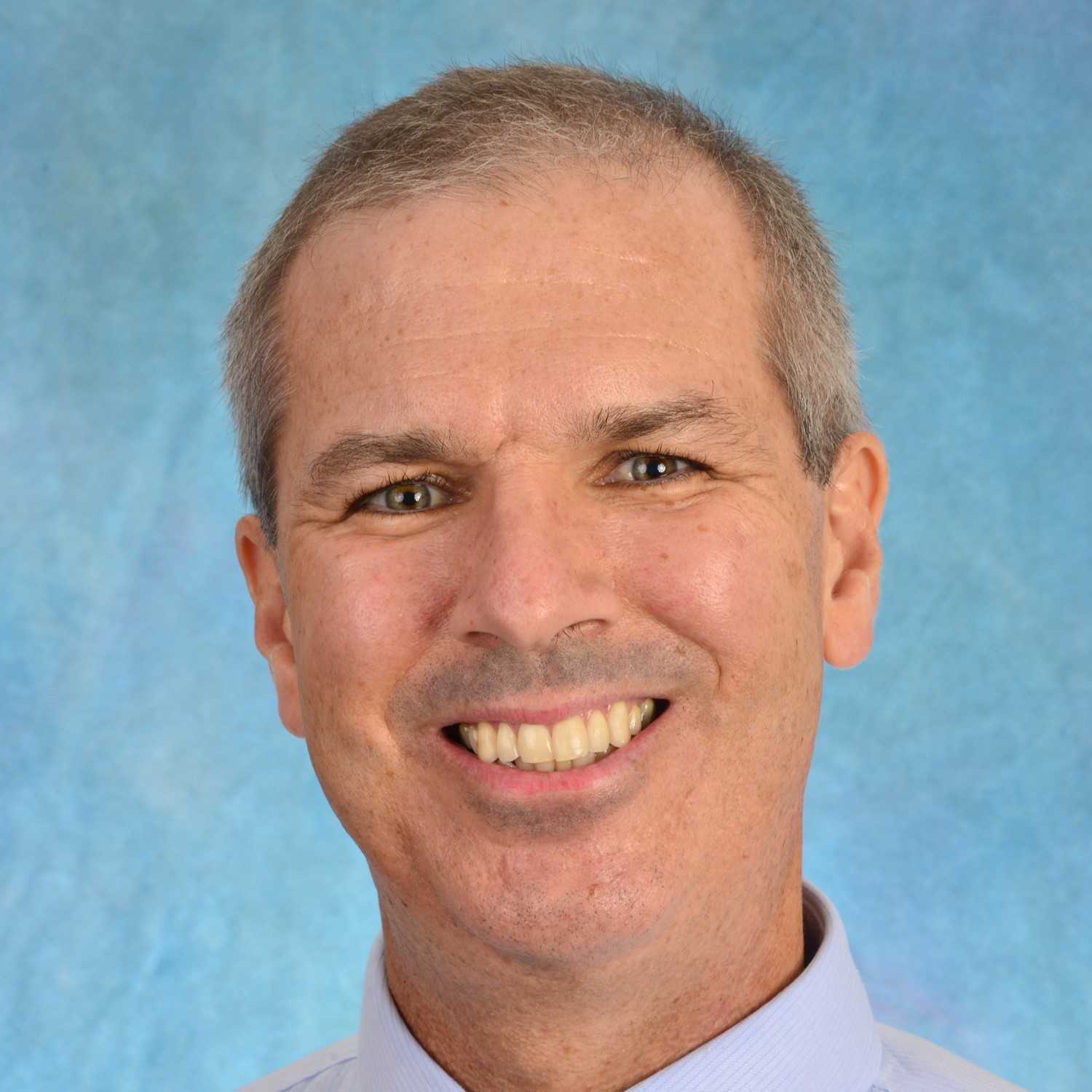
Darren DeWalt, MD, MPH
Department of Medicine, Chair and Professor
Darren A. DeWalt, MD, MPH is Chief of the Division of General Medicine and Clinical Epidemiology and Professor at the University of North Carolina at Chapel Hill (UNC-CH). Dr. DeWalt is an expert in primary care and innovative models of care delivery and financing. His research spans new models of care, health disparities, health literacy, quality improvement, and patient reported outcomes. From 2014-2016, he led a group at the Center for Medicare and Medicaid Innovation to help support new models of care delivery and financing. Dr. DeWalt has a long history of research and quality improvement at local, regional, and national levels.
Marisa Domino, PhD
Executive Center Director and Professor, Arizona State University, College of Health Solutions
Marisa Domino is a Professor and the Executive Director of the Center for Health Information and Research (CHiR) at Arizona State University, the college’s multidisciplinary unit that serves and collaborates with individuals and organizations that need comprehensive health information and data analysis for public, private and research uses. Dr. Domino earned her PhD in health economics from The Johns Hopkins University and completed a Post-doctoral Fellowship at Harvard Medical School’s Department of Health Care Policy. She has decades of experience analyzing Medicaid and other health policies using advanced econometric and statistical techniques. Her research generally focuses on individuals with mental illness, substance use disorders, or other chronic conditions.
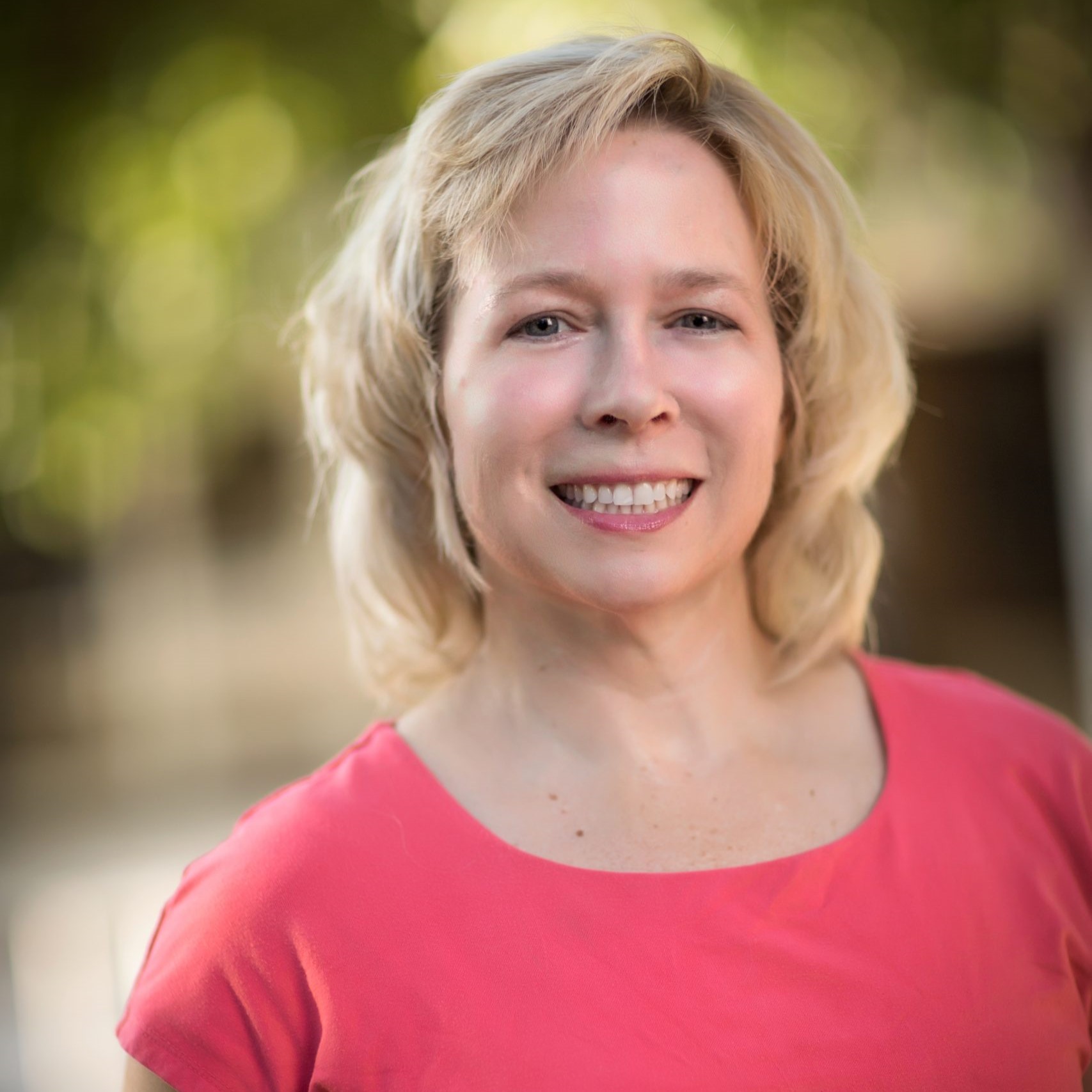
Katrina Donahue, MD, MPH
Department of Family Medicine, Professor
Dr. Donahue is a Professor and Vice Chair of Research at the University of North Carolina (UNC) Department of Family Medicine. She co-directs the North Carolina Network Consortium, a meta-network of seven practice-based research networks and four academic institutions in North Carolina. Dr. Donahue has a strong interest in primary care practice redesign, chronic disease care and prevention, health behavior change and collaborations among public health and primary care.
Cynthia Feltner, MD, MPH
Department of Medicine, Assistant Professor
Dr. Feltner is associate director of the RTI-UNC Evidence-based Practice Center as well as an assistant professor in the Department of Medicine at UNC and Director of the Health Care and Prevention track of the Public Health Leadership Program at the UNC Gillings School of Global Public Health. Dr. Feltner has a special interest in chronic disease prevention and clinical epidemiology. In addition to her clinical work seeing patients at the UNC Ambulatory Care Center, Dr. Feltner plays an active role in the education of medical students, residents and fellows.
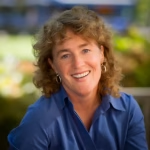
Erin Fraher, PhD, MPP
Department of Family Medicine, Professor
Sheps Program on Health Workforce Research & Policy, Co-Director
Dr. Fraher is an internationally recognized expert on health workforce research and policy. Her research focuses on interprofessional teams in new models of care, developing rigorous methodologies to project how many health workers will be needed under different possible “futures,” and using life course theory to better understand health professionals’ career trajectories. Dr. Fraher’s recent work has highlighted the need to reconfigure health workforce education, practice, and regulation to better align with population health needs, particularly in rural and underserved communities. She is frequently called upon by legislators and staff, government officials, health professions educators, health care employers, and licensing boards to conduct and interpret analyses on a wide variety of emerging health workforce topics, demonstrating her extensive experience translating rigorous academic research into actionable advice and strategy for policy makers.
Carol Golin, MD
Departments of Medicine and Health Behavior, Professor
Carol Golin is a physician, director of the Social and Behavioral Research Core at the UNC Center for AIDS Research, and a professor in the Department of Health Behavior at the Gillings School of Global Public Health and in the UNC Department of Medicine. She is engaged in research on the development and assessment of behavioral interventions to enhance compliance and health care for persons living with HIV/AIDS and access to care for incarcerated persons.

Sandra B. Greene, DrPH
Department of Health Policy and Management, Associate Professor
Dr. Greene holds a DrPH in biostatistics from the University of North Carolina at Chapel Hill where she is Professor of the Practice in Health Policy and Management in the Gillings School of Global Public Health. She teaches courses in research design and methodology for the DrPH program in Health Leadership. She also is a Senior Research Fellow and Co-Director of the Program on Healthcare Finance at the Cecil G. Sheps Center for Health Services Research. Her research interests include health insurance, the business case for quality, patient safety, managed care and health services research involving insurance claims data.
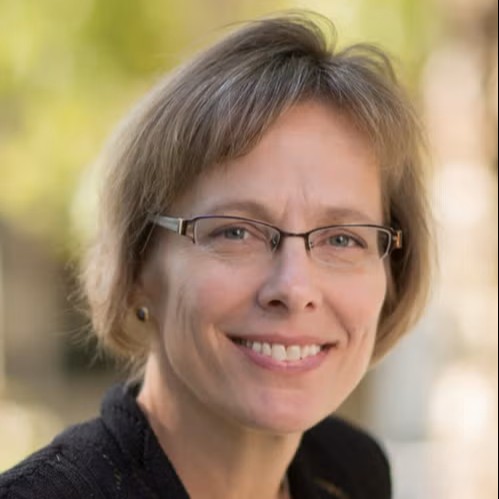
Jacquie Halladay, MD, MPH
Department of Family Medicine, Associate Professor
Dr. Halladay is an Associate Professor in the department of Family Medicine and a research fellow at the Cecil G Sheps Center for Health Services Research. She is the Co-Director of the North Carolina Network Consortium (NCNC), a statewide Practice Based Research Network and is board certified in Preventive Medicine and Obstetrics and Gynecology. Dr. Halladay’s research interests include working in ambulatory practices with investigative and clinical teams who collectively aim to enhance care delivery and outcomes for patients with chronic conditions, specifically hypertension, asthma, and tobacco use.
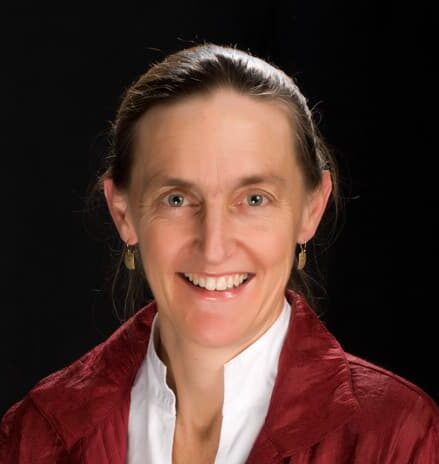
Laura C. Hanson, MD, MPH
Department of Geriatric Medicine, Professor
Dr. Hanson is a tenured Professor in the Division of Geriatric Medicine, Department of Medicine at the University of North Carolina – Chapel Hill. She is the Director of the UNC Palliative Care Program, an interdisciplinary program of palliative care services and related research and teaching. She leads a program of research focused on interventions to improve quality of palliative care for persons with advanced dementia and other serious illnesses. In addition, she has expertise in development of quality measures for hospice and palliative care, including collaboration with Research Triangle Institute on the national Hospice Item Set. With Antonia Bennett, she co-leads the Measurement Core for the NINR-funded Palliative Care Research Cooperative group.
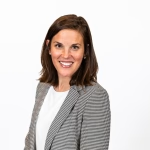
Emily Hawes, PharmD, BCPS, CPP
Department of Family Medicine
Emily M. Hawes is a professor in the Department of Family Medicine. She serves as Director of the HRSA-funded Rural Residency Planning and Development and Teaching Health Center Technical Assistance Centers. She also leads the North Carolina Graduate Medical Center – Technical Assistance Center, which aims to expand and sustain rural residencies in the state. She practices as a Clinical Pharmacist Practitioner providing collaborative drug therapy management in a family medicine clinic in rural North Carolina. Dr. Hawes’ research focuses on team-based primary care, health workforce policy, rural health, and graduate medical education program development in rural and underserved areas.
Mark Holmes, PhD
Gillings School of Global Public Health, Senior Associate Dean
Department of Health Policy and Management, Professor
Cecil G. Sheps Center for Health Services Research, Director
Mark Holmes is a Professor in the Department of Health Policy and Management in the University of North Carolina Gillings School of Global Public Health and Director of the Cecil G. Sheps Center for Health Services Research, where he is also the Director of the North Carolina Rural Health Research and Policy Analysis Center and the Co-Director of the Program on Health Care Economics and Finance at the Cecil G. Sheps Center for Health Services Research. His interests include hospital finance, rural health, workforce, health policy, and patient-centered outcomes research.
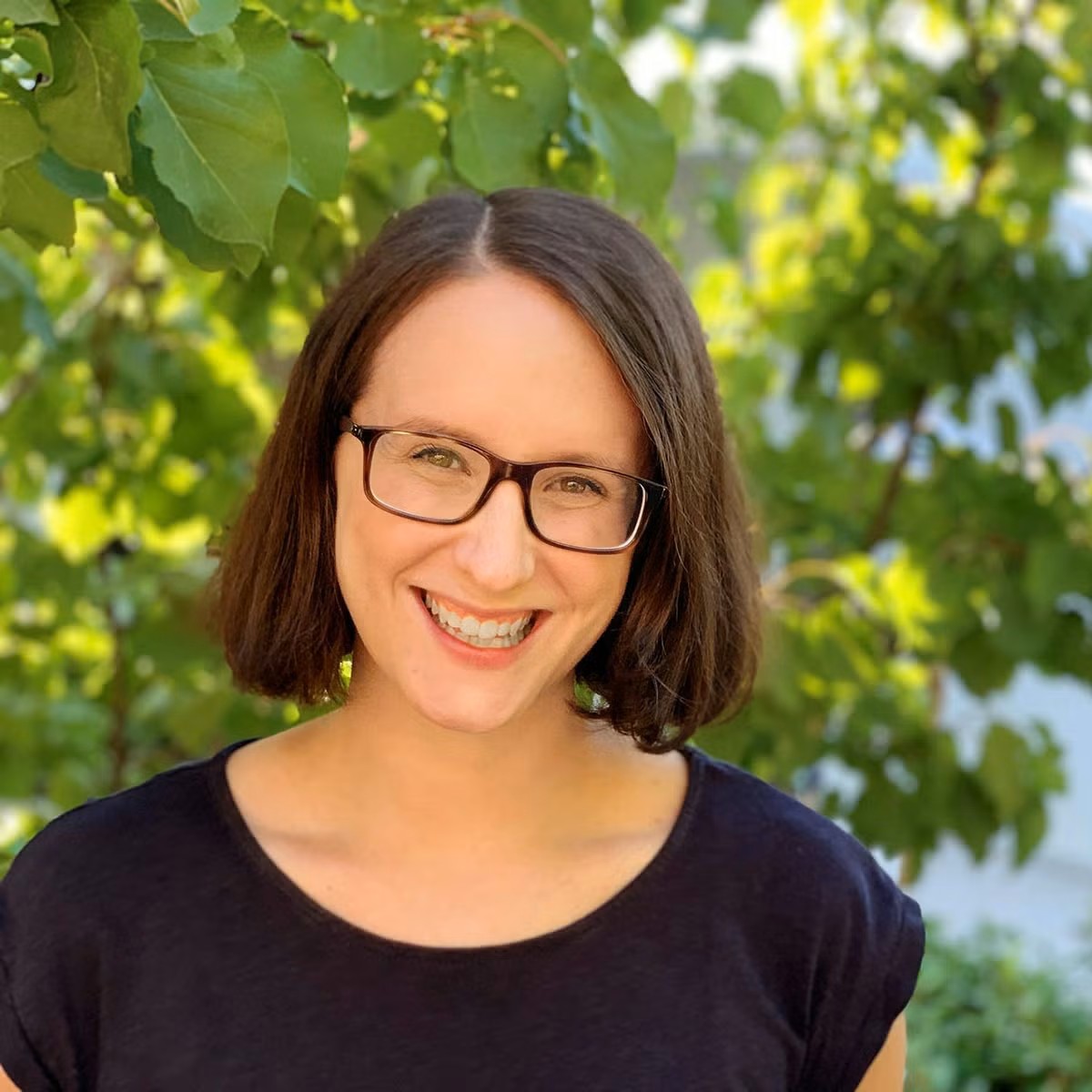
Tania Jenkins, PhD
Department of Sociology, Associate Professor
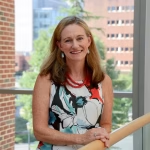
Erin Kent, PhD
Department of Health Policy and Management, Professor and Chair for Research
Valerie Lewis, PhD
Department of Health Policy and Management, Professor
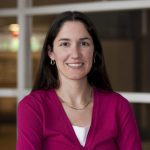
Lewis is a sociologist and policy researcher with extensive experience researching health care delivery reform, health care organizations, and racial and socioeconomic disparities in outcomes. Her research examines how health care payment and delivery reforms may affect disadvantaged patients and the health care safety net. In addition, her work seeks to understand how health care provider organizations can best coordinate and integrate care delivery across settings and providers.
David Lynch, BMBS
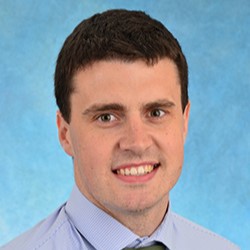
Department of Medicine, Clinical Associate Professor, Medical Director, Inpatient Geriatrics Service
Dr. David Lynch is an Assistant Professor and clinician-investigator in the Division of Geriatrics. He completed his medical school training at the University of Limerick, in Ireland. After the, Dr. Lynch transitioned to UNC where he completed his residency in Internal Medicine, Chief Residency and Geriatrics fellowship. For Dr. Lynch, the prospect of a career in Geriatrics represents an opportunity to manage patients with a wide variety of complex medical issues. At the same time, he values patients’ trust in guiding them through some of the most challenging transitions of their lives. Combining this role with research allows him to develop the skills necessary to answer questions that arise in clinical practice. It also allows him to improve the care of many older adults. Dr. Lynch’s research focuses on developing scalable and sustainable interventions to reduce hospital-associated disability in people living with dementia.
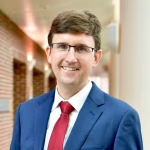
Evan Mayo-Wilson, DPhil, MPA
Department of Epidemiology, Associate Professor
Evan Mayo-Wilson is an Associate Professor in the Department of Epidemiology at the University of North Carolina Gillings School of Global Public Health. He has expertise in intervention design and evaluation, and the translation of clinical evidence into policy and practice. Dr. Mayo-Wilson’s research aims to improve public health and to advance methods for conducting health and behavioral research. He focuses on (1) evaluating the effectiveness of pharmacological and behavioral interventions; (2) improving methods for clinical trials and systematic reviews; and (3) developing methods and interventions to increase research transparency and openness.
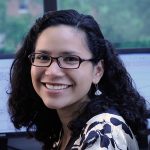
Maria Mayorga, PhD
North Carolina State University – Department of Industrial and Systems Engineering, Professor
Mayorga’s goal is to address fundamental research barriers in moving from estimates of efficacy to estimates of the effectiveness of interventions or policies by explicitly considering individual patient preferences when the underlying patient population is heterogeneous. She is also interested in optimally allocating resources in Emergency Medical Service systems. To achieve these goals Mayorga will create analytical models of health systems that incorporate patient-level data. She uses techniques such as simulation, dynamic programming, applied probability, queuing theory and mathematical programming.
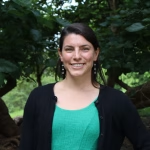
Helen Newton, PhD MPH
Department of Family Medicine, Assistant Professor
Dr. Newton has formal training as a health services researcher with expertise in behavioral health treatment, access, and quality and payment reform. Her research uses multiple methods to characterize the variation in access to evidence-based behavioral health treatment and estimate the impact of payment and delivery reforms on treatment access and quality. She is particularly interested in understanding how new policies – especially new payment models – affect the organization and delivery of behavioral health treatment, including the integration of behavioral health and primary care.
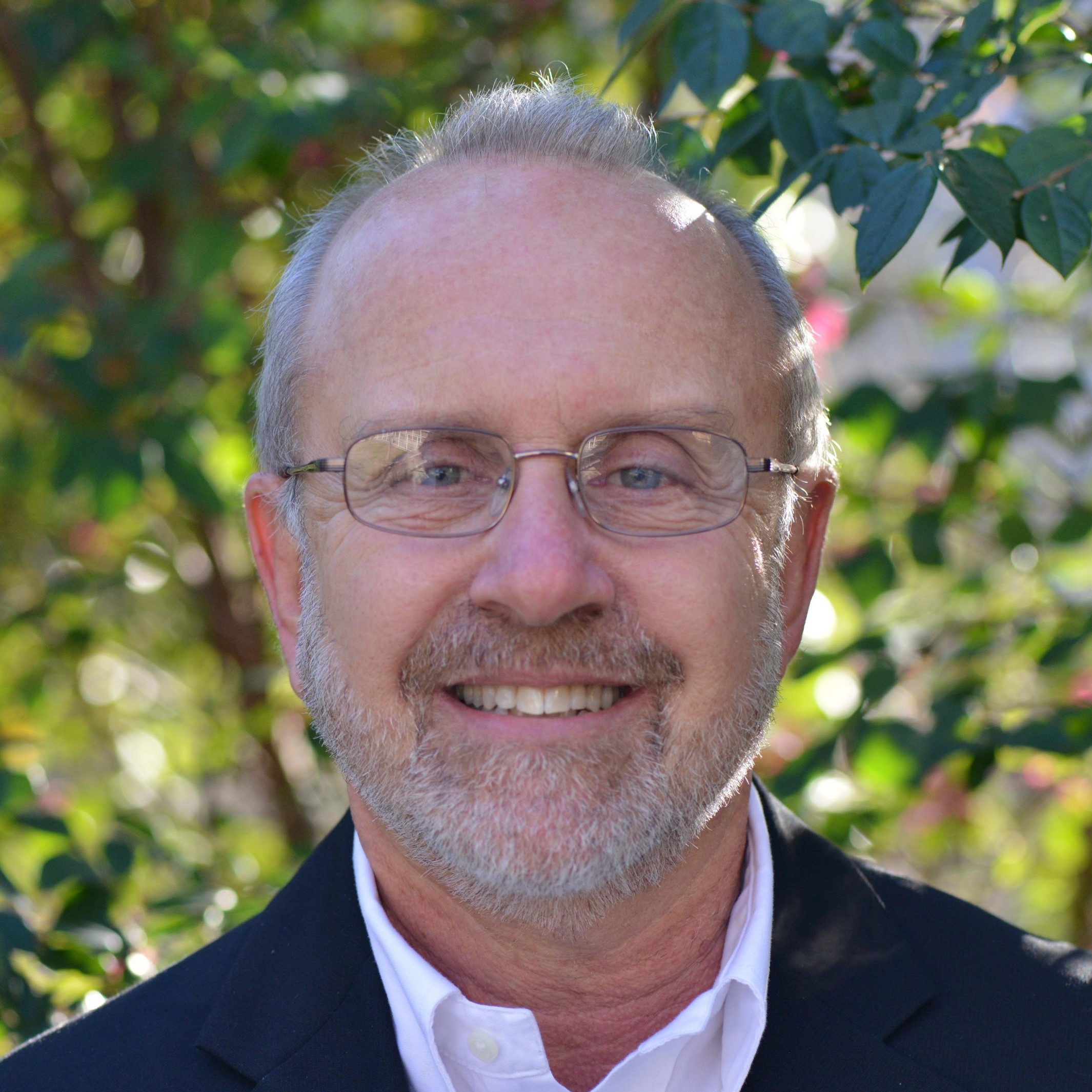
Donald Pathman, MD, MPH
Department of Family Medicine, Professor
Dr. Pathman’s work centers on research and evaluation of organization, state and federal programs and policies that affect the work and lives of physicians and other healthcare practitioners, and on how these, in turn, affect access and quality of patient care and clinicians’ careers. Specific areas of research have been in the effects on clinicians of organization personnel policies, clinical guideline dissemination, provider satisfaction under various employment configurations and work controls, rural health professional distribution, medical education, access to care, health disparities, and community medicine.
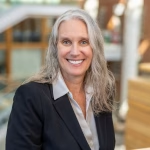
Kristin Reiter, PhD
Department of Health Policy and Management, Professor and Chair
Research Fellow at the Cecil G. Sheps Center for Health Services Research
Dr. Reiter teaches courses in healthcare financial management and management accounting and is involved in several research projects, including the Rapid Response to Requests for Rural Data Analysis and Issue-Specific Rural Research Studies and the Rural Hospital Flexibility Program Evaluation, both funded by the Federal Office of Rural Health Policy. She has authored or co-authored over 50 peer-reviewed publications, and is co-author of a leading textbook in healthcare finance. Prior to receiving a PhD in health services organization and policy, Dr. Reiter worked as an auditor for a large public accounting firm.
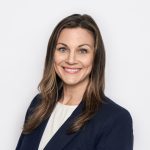
Michelle Ries, MPH
North Carolina Institute of Medicine, President and CEO
Michelle G. Ries is President & CEO of the North Carolina Institute of Medicine. Ries has been on the NCIOM team for over a decade, serving the Institute and the state across many roles within the organization, most recently as Associate Director. During her tenure with NCIOM, Ries has provided strategic leadership to the Institute in its work providing advisory support to state stakeholders across many integral health policy issues. Ries led much of NCIOM’s work over the first two years of the COVID-19 pandemic, including providing facilitation and drafting support for the North Carolina Scarce Resource Allocation Protocol (in partnership with the North Carolina Healthcare Association and the North Carolina Medical Society) and the Vaccine Advisory Committee (in partnership with the NC Department of Health and Human Services); launching statewide task forces on pandemic preparedness and local public health; and providing analysis of state- and federal-level COVID policy response and subsequent impact on North Carolinians.

Daniel Reuland, MD, MPH
Department of Medicine, Professor
Daniel S. Reuland, MD MPH, is a Clinical Professor of Medicine at the University of North Carolina in the Division of General Internal Medicine and Clinical Epidemiology. His research interests include developing, testing, and implementing interventions aimed at improving clinical communication, decision making, and health behaviors within primary care practice and health systems. Much of his work aims to enhance our understanding of how to make cancer screening more appropriate and patient-centered. Cross-cutting thematic interests include the adaptation of health communication interventions for Hispanic populations and shared medical decision making.
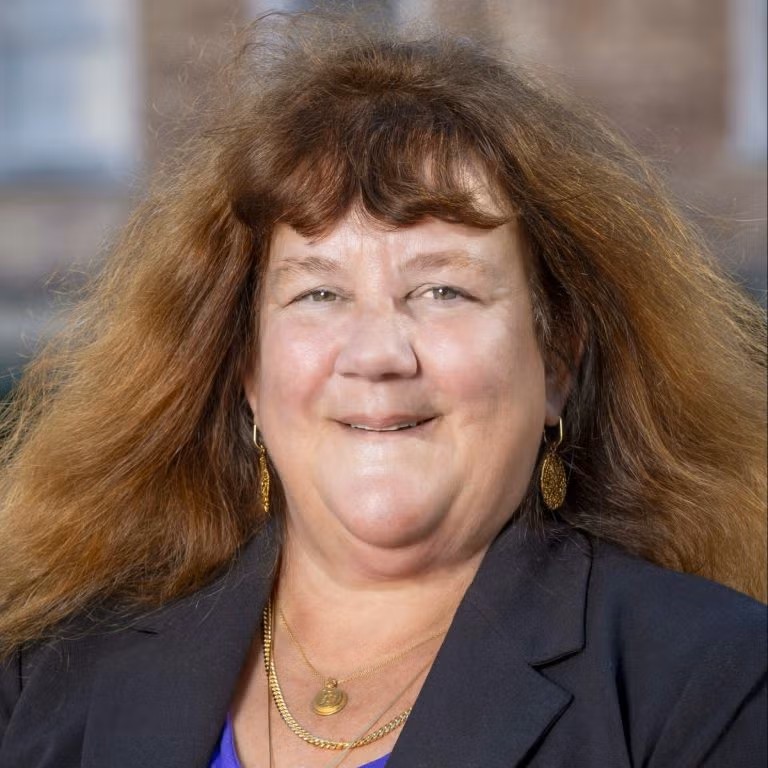
Betsy Sleath, PhD
School of Pharmacy, Regional Associate Dean of Eastern North Carolina and George H. Cocolas Distinguished Professor
Betsy Sleath’s research focuses on improving health care provider-patient communication and patient outcomes. She does practice-based research and pragmatic trials. She received the 2018 American Pharmacists Association Research Achievement Award in the Pharmaceutical Sciences, and the 2025 American Association of Colleges of Pharmacy Social and Administrative Science Research Sustainability Award, and the 2025 Academy of Communication in Healthcare 30th Annual George L. Engel Award for outstanding research contributing to the theory, practice and teaching of effective healthcare communication and related skills.
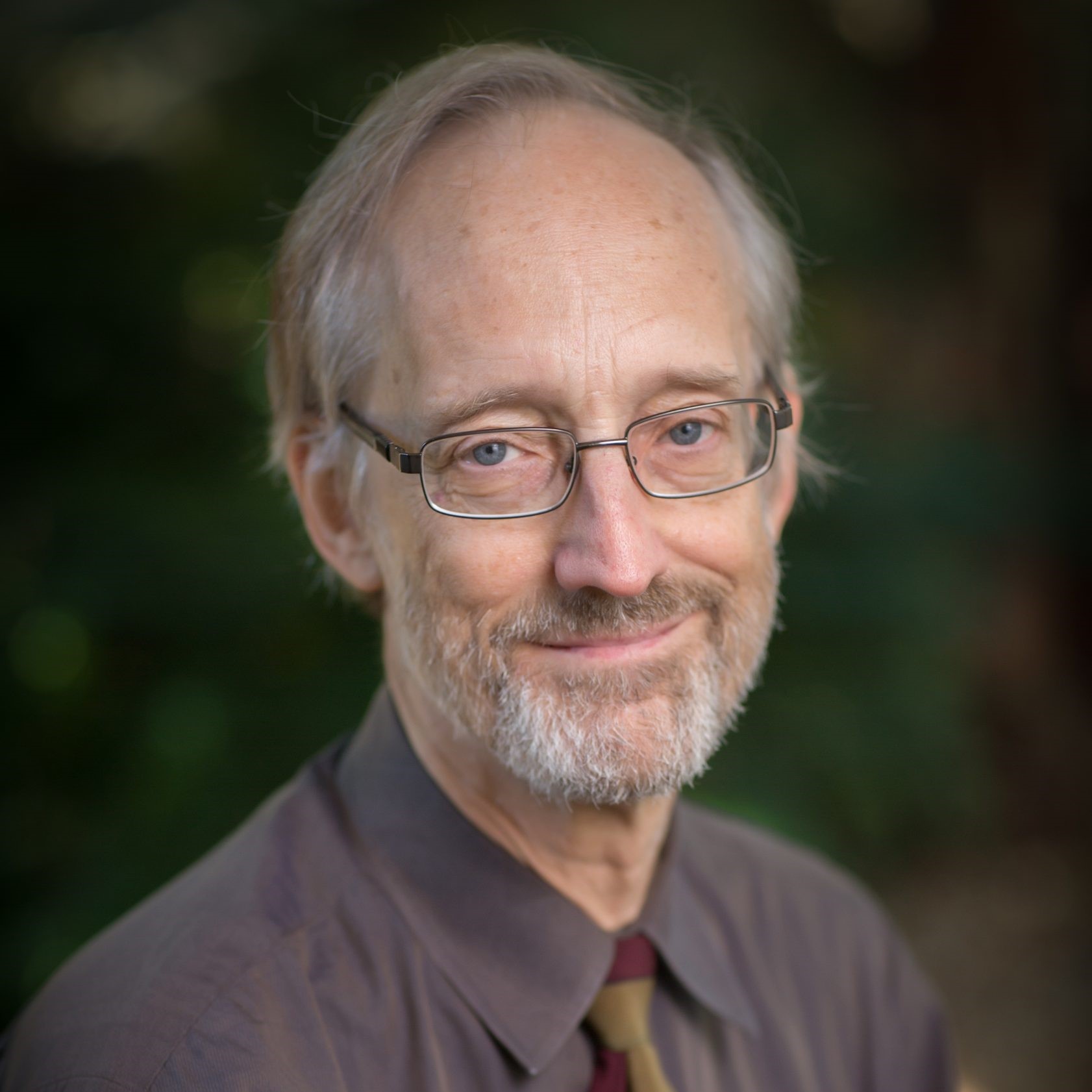
Philip Sloane, MD, MPH
Department of Family Medicine, Professor
Sheps Program on Aging, Chronic Illness and Long-Term Care, Co-Director
Dr. Sloane, a family physician and geriatrician, is a nationally recognized expert in both fields. As a researcher, he was the first family physician in the country to receive an NIH research career development award (1986), and he has been continuously funded by the NIH ever since. He co-directs (with Dr. Sheryl Zimmerman) the Program on Aging, Disability, and Long-Term Care of the Cecil G. Sheps Center for Health Services Research at UNC-CH, which has conducted over 50 funded studies of care issues related to older persons.
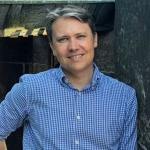
Sean Sylvia, PhD
Department of Health Policy and Management, Associate Professor
As a health and development economist, Dr. Sylvia’s work uses experimental and quasi-experimental methods to study innovative approaches to improve the delivery of health services in underserved communities globally. His work has appeared in leading public health and economics journals such as the BMJ, PLOS Medicine, Health Services Research, the Journal of Health Economics, World Development, and the Economic Journal. Dr. Sylvia currently leads the Digital Health Economics and Policy (DHEP) Lab, which convenes interdisciplinary teams to weave insights from the behavioral, data, and computer sciences into transformative health policy research suited for the digital age. Prior to UNC, he held positions at the Renmin University of China, Stanford University, and the World Bank. He obtained his PhD in Agricultural and Resource Economics with a concentration in Development Economics from the University of Maryland at College Park.
Tara Templin, PhD
Department of Health Policy and Management, Assistant Professor
Dr. Templin is a health economist who studies the causes of population health improvement in resource-constrained settings using a wide range of quantitative tools, from applied microeconometrics to machine learning for causal inference. Dr. Templin’s research focuses on the population-level socioeconomic causes and consequences of noncommunicable diseases (NCDs), and cost-effective public health policies for their prevention and treatment. In previous and continuing projects, Dr. Templin led studies on the economic drivers of nutrition-related chronic illness, how conditional cash transfers may influence obesity and hypertension rates, global health system financing and preparedness for NCDs, and effective treatments for cardiometabolic disease within resource-constrained health systems.
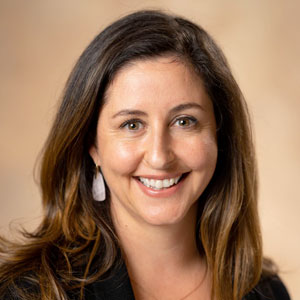
Lisa Zerden, PhD, MSW
School of Social Work, Professor
UNC Behavioral Health Workforce Research Center, Deputy Director
Dr. Zerden’s work focuses on the emerging role of social work in integrated behavioral health is supported by the Health Resources Service Administration and Substance Abuse Mental Health Services Administration. She has authored over 25 peer-reviewed manuscripts and a half dozen book chapters. Since joining the faculty at UNC Chapel Hill School of Social Work in 2010 she has won numerous teaching awards including “most outstanding,” “most supportive” and “most inspiring” faculty member.
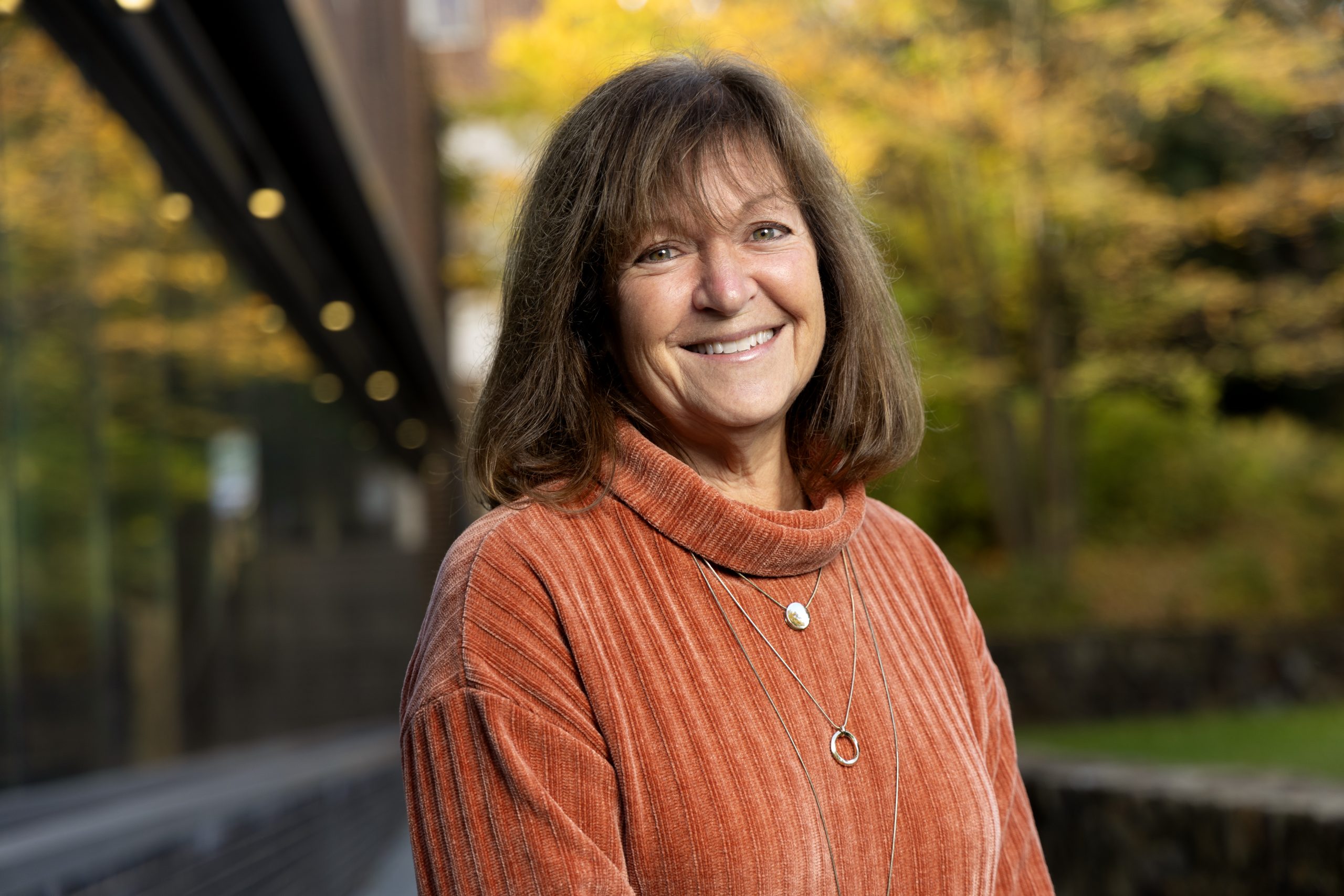
Sheryl Zimmerman, PhD
School of Social Work & School of Public Health, Kenan Distinguished Professor
Sheps Program on Aging, Chronic Illness and Long-Term Care, Co-Director
Dr. Sheryl Zimmerman is a University Kenan Distinguished Professor and Associate Dean for Research and Faculty Development, School of Social Work, the University of North Carolina at Chapel Hill (UNC). She also is co-Director of the Program on Aging, Disability, and Long-Term Care, Cecil G. Sheps Center for Health Services Research, UNC. Dr. Zimmerman is widely recognized as a leading expert in long-term services and supports for older adults, especially nursing homes and residential care. Her research has been continually funded by the NIH for almost 25 years. She has written numerous books and more than 300 peer-reviewed manuscripts, and is Co-Editor in Chief of JAMDA – The Journal of Post-Acute and Long-Term Care Medicine.
Last edited: February 2026
You must be logged in to post a comment.