Current Fellows
 Christopher Bosley, PhD
2nd Year
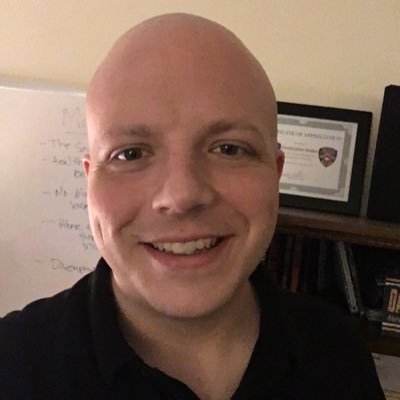
Christopher Bosley is a medical sociologist and T32 National Research Service Award fellow in Primary Care Research at the Cecil G. Sheps Center for Health Services Research at The University of North Carolina at Chapel Hill. Chris is a former paramedic and firefighter, having completed a 20+ year career in emergency services prior to finishing his graduate level studies. He received his Bachelor of Arts degree in History with a minor in Middle Eastern and Islamic Studies from Niagara University in Niagara Falls, NY and his Master of Arts and Doctor of Philosophy both in Sociology at The State University of New York at Buffalo. Chris’ experiences working in emergency services in Buffalo, NY and the surrounding Western New York area sparked his curiosities and study into the social determinants of stress and health, especially in high-stress jobs like emergency services.
Chris’ current research is centered on emergency medical services (EMS) topics. His dissertation examined 1) work-related stressors and their effects on different measures of health, 2) how the stress-health link varies by EMS providers employed in the public vs. private sectors, and 3) how informed coping and social support helps to mitigate some of the stress that working in EMS brings. Each of these studies from the dissertation are either already submitted to peer-reviewed academic journals or in the final preparation process for submission. While preparing his dissertation work for publication, Chris has received helpful feedback from his fellowship mentor at Sheps, Dr. Katrina Donahue, as well as his co-fellow Jeanna Campbell and Sheps faculty research fellow, Dr. Tania Jenkins.
Chris is currently conducting work on inequities in ambulance response time across the state of North Carolina. He aims to study whether variation exists in response time to 9-1-1 calls across different domains of inequity: rurality, poverty, and racialized residential segregation. The data for this study comes from the North Carolina Office of EMS, as a part of the National EMS Information Service (NEMSIS). Chris is also working with Dr. Lisa Zerden, Deputy Director of the UNC Behavioral Health Workforce Research Center, studying the implementation of behavioral health emergency competencies of the National EMS Education Standards into EMS curriculum across accredited EMS instruction programs in the United States. Lastly, Chris has also been pursuing a new research interest of his with Drs. Leah Ranney and Sarah Kowitt in the Department of Family Medicine, on a NIDA grant funded exploration of cannabis health warnings and labels. This project is studying the regulatory landscape across the cannabis industry from the perspective of State-level regulators. In this study, Chris has been assisting in the qualitative coding and thematic development from interview data of twenty interviews with cannabis regulators in different states in the US.
Research Interests: social determinants of health, stress and health, mental health, emergency medical services
 Jeanna Campbell, PhD, MSW
2nd Year
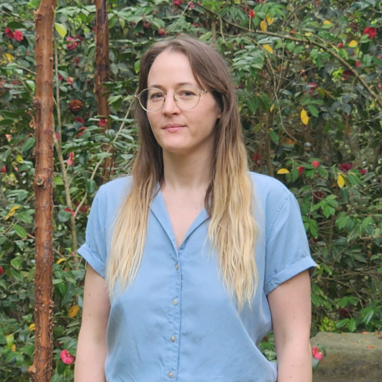
Jeanna Campbell earned a PhD in Philosophy of Social Work from the University of Illinois Urbana-Champaign. Her three-manuscript dissertation applied syndemics theory to the deleterious relationships between structural violence and metabolism. In her research, Dr. Campbell identified the Diabetes, Obesity, and Economic Social Exclusion (DOSE) Syndemic among a nationally representative sample. As a form of structural violence, economic social exclusion led to worse diabetes outcomes, including increased diabetes prevalence, among Black non-Hispanic, and Hispanic women living with obesity in the United States.
As a postdoctoral fellow, Dr. Campbell explores the impact of different forms of structural violence on biomarkers of inflammation and chronic disease risk and contributes to interventions addressing the negative impacts of structural violence on metabolic health (e.g., blood pressure, insulin sensitivity). Including community-informed multilevel level and culturally tailored interventions delivered in primary health care centers. The interventions support the metabolic health of low income and rural patients by addressing social (e.g., interpersonal and organizational support) and dietary needs and preferences.
Dr. Campbell’s research has been recognized locally and nationally including: Postdoctoral Award for Research Excellence (University of North Carolina at Chapel Hill), Student Paper Award (American Public Health Association), Policy Fellowship (Council on Social Work Education, Society of Social Work Research, and Group for the Advancement of Doctoral Education in Social Work), and All of Us Data Fellowship (National Institutes of Health). She also contributes to an invited team of Emerging Leaders within the National Institute of Diabetes and Digestive and Kidney Diseases. Dr. Campbell is trained in advanced statistical approaches such as multilevel modeling, and analytic methods for handling non-normal and biomarker data. Her future research aims to intervene in the pathogenesis of obesity and diabetes, and related comorbidities such as cardiovascular and kidney disease, among adults with low income by incorporating adaptive multilevel interventions tailored to meet specific subpopulations’ needs.
Research Interests: Social determinants of metabolic health; community-informed, culturally tailored, multilevel, and adaptive interventions
 Fithi Andom, PhD, LISW
1st Year
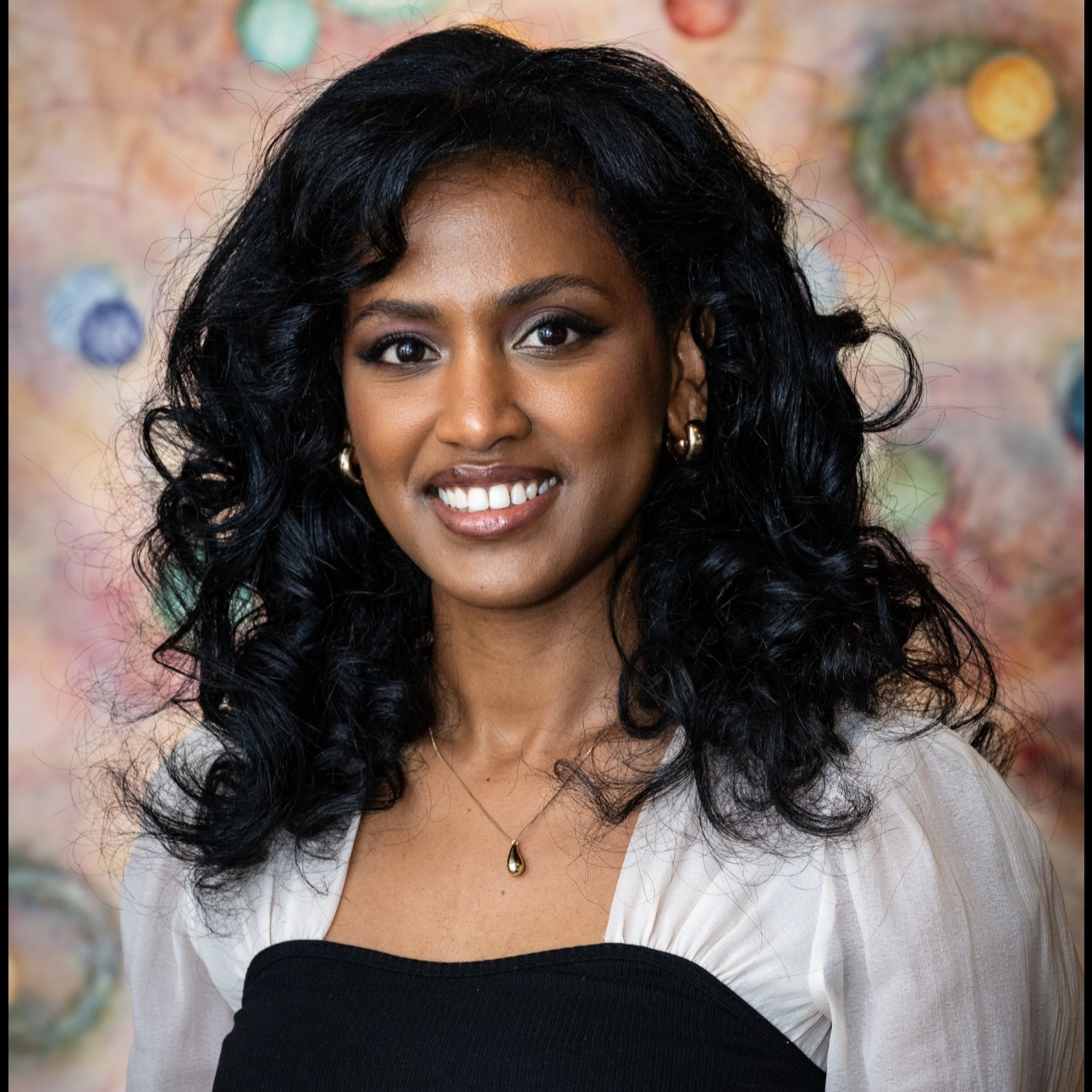
Fithi earned her PhD in Social Work from Washington University in St. Louis and holds an MSW and MA in Sociology from Ohio University. She is a licensed clinical social worker and a certified Parent-Child Interaction Therapy (PCIT) provider with over a decade of practice and research experience in early childhood mental health and trauma-informed parenting interventions.
Her research examines how intergenerational trauma and structural adversity shape parenting and early child development, with the goal of preventing child maltreatment and improving mental health outcomes in early childhood. She designs and evaluates culturally responsive, attachment-based parenting interventions delivered in real-world service systems, integrating implementation science to improve engagement, reach, and equity for underserved families.
Currently, as an NRSA Primary Care Research Fellow, Fithi leads the implementation evaluation of PriCARE parenting intervention within pediatric primary care as part of an NICHD-funded randomized trial, identifying strategies to improve the integration and effectiveness of co-located behavioral health services for families with young children.
Research interests: Early childhood mental health, child maltreatment prevention, intergenerational trauma, implementation science, attachment-based parenting, and integrated behavioral health interventions
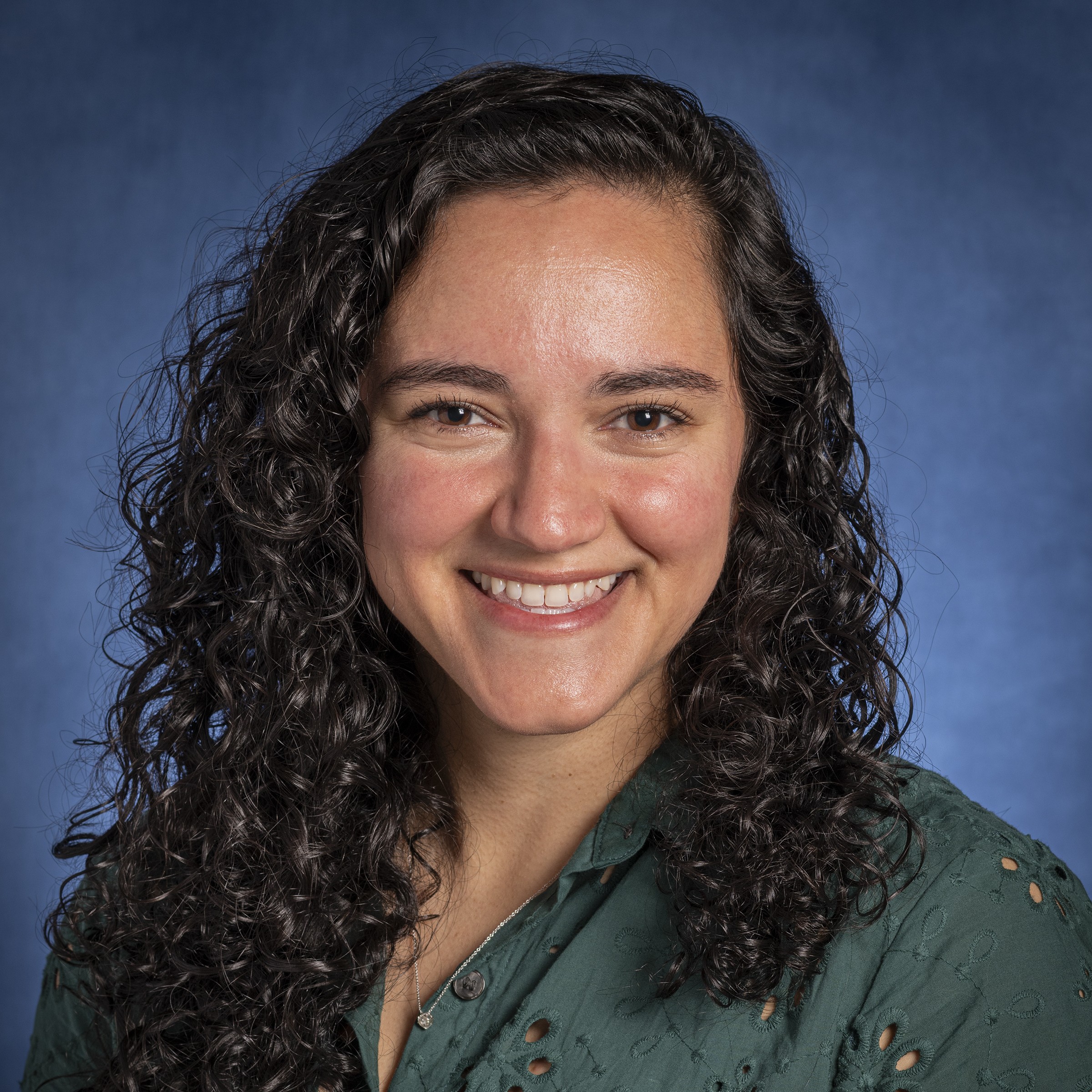
Yasamin Sanii, MD
1st Year
Yasamin Sanii is from Raleigh, North Carolina. She completed her Bachelors in Public Health at UNC Chapel Hill. She then went to Brody School of Medicine at ECU for her medical degree, which confirmed her passion for pediatrics, primary care and serving the underserved. She then completed Pediatric Residency and chief year at the Johns Hopkins Harriet Lane Pediatrics Residency program in Baltimore, Maryland. She has now returned to NC as a NRSA Primary Care Research Fellow, where she hopes to continue her clinical practice in primary care pediatrics and pursue research in pediatric injury prevention and immigrant health and access to care.
 Rachel M. Vaughn, PhD, MOT, OTR/L
1st Year
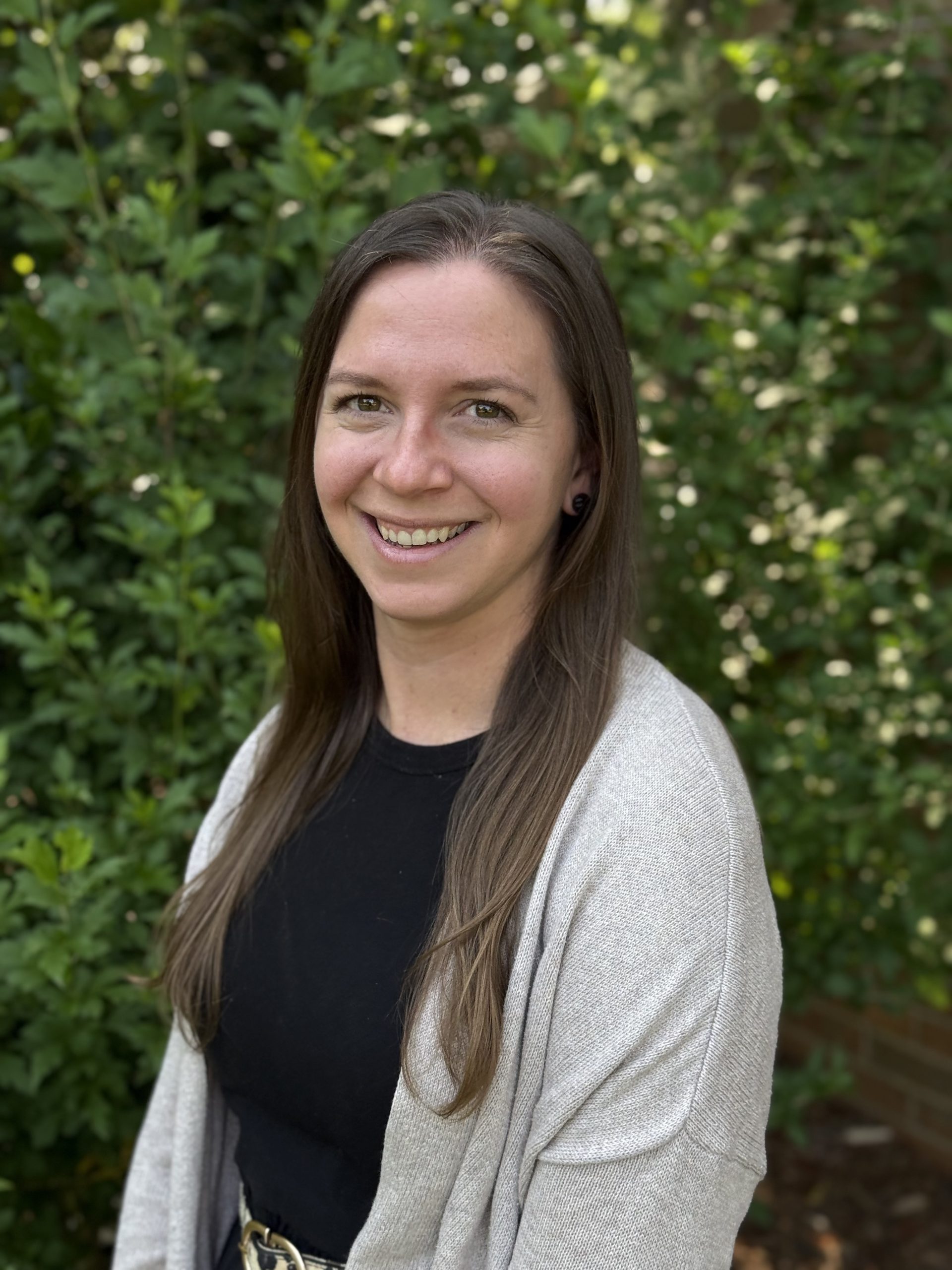
Rachel Vaughn is an occupational therapist, occupational scientist, and disability researcher with a focus on children and youth who have experienced a neurological event and their families. Rachel’s background and training focuses her research on the factors of daily life that influence participation, wellness, and development.
Throughout her clinical career, Rachel was interested in what happens between therapy encounters and after discharge from occupational therapy. This curiosity led to Rachel’s dissertation research, which combined quantitative survey-based and qualitative narrative methods to examine how youth with neurological disabilities participate in life activities outside the healthcare system.
For her postdoctoral work, Rachel will bring her focus back to the healthcare system. She will investigate how youth and their families navigate healthcare, particularly during the transition to adulthood. Rachel is interested in exploring healthcare access, continuity of care, and system-level improvements for youth with neurological disabilities—both congenital and acquired conditions.
Research interests: children and youth; families; chronic and acquired disability; healthcare transitions; continuity of care; participation; implementation science; engaged research approaches
You must be logged in to post a comment.